Why Industrial Experts Rely on High-Speed Forming Techniques
Technological Advancements Driving High-Speed Forming
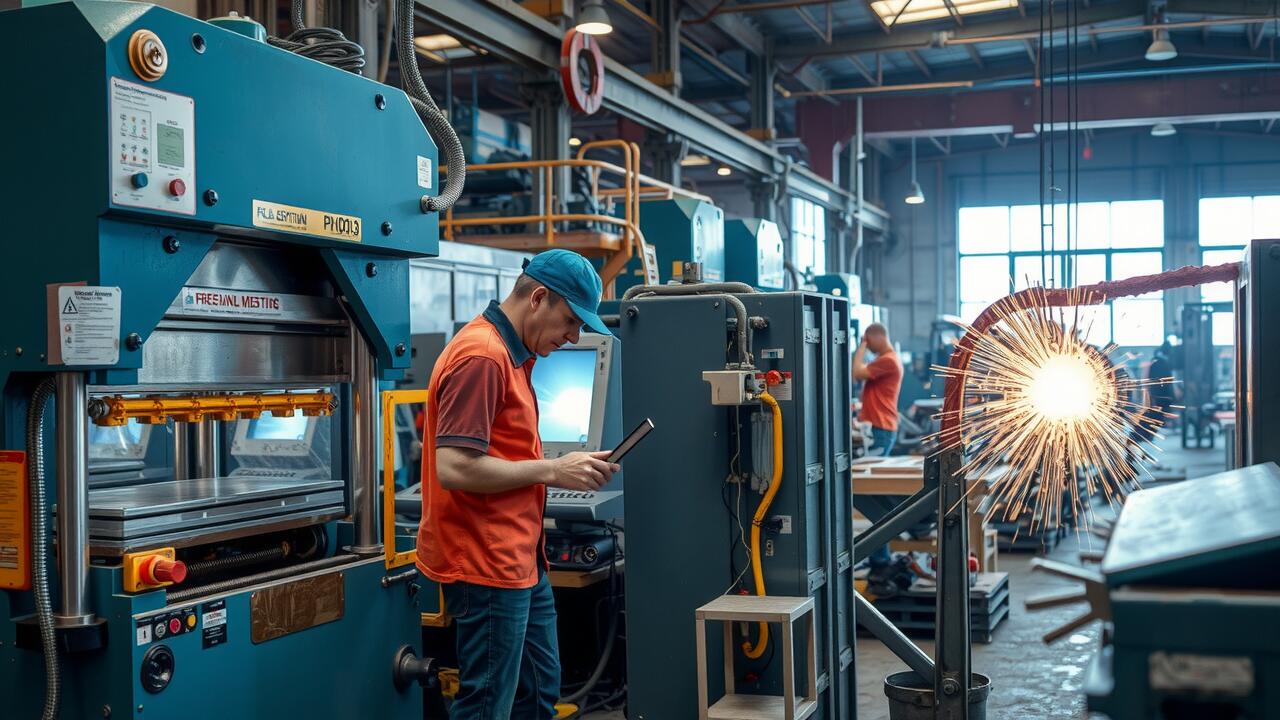
The rapid evolution of technology is steering the manufacturing landscape toward high-speed forming methods. Advanced machinery equipped with cutting-edge sensors and software offers unprecedented precision and efficiency. These innovations allow companies to produce complex shapes and intricate designs at record speeds. Manufacturers can now maximize production outputs while minimizing waste, revolutionizing the way raw materials are utilized in the industry.
New materials are also making waves in high-speed forming for industrial applications, pushing traditional boundaries and expanding possibilities. Lightweight composites and high-strength alloys enable the creation of products that are not only lighter but also stronger than their predecessors. This has opened up a world of opportunities in various sectors, including aerospace, automotive, and consumer goods. The excitement surrounding these advancements is palpable as they signal not just improvements in technique but also a major shift in industry standards and capabilities.
The Role of Automation and AI
Automation and artificial intelligence are revolutionizing high-speed forming techniques in ways manufacturers have only dreamed of. By integrating smart machinery and intelligent systems, companies can optimize their production lines, achieving remarkable efficiency and precision. The ability to collect and analyze vast amounts of data in real time allows for immediate adjustments, dramatically reducing waste and maximizing productivity. With enhanced communication between machines, the entire manufacturing process becomes a seamless dance of technology.
The excitement doesn’t stop there, as AI-driven predictive maintenance ensures that equipment runs smoother and lasts longer. This proactive approach minimizes downtime and prevents costly interruptions, positioning manufacturers at the forefront of their industries. As these technologies evolve, the possibilities for innovation and improvement seem endless, promising a future where high-speed forming reaches unprecedented heights. Every advancement brings new potential, capturing the imagination of those within the industrial sector and beyond.
Comparing High-Speed Forming with Traditional Methods
High-speed forming techniques are revolutionizing manufacturing by significantly outpacing traditional methods in speed and efficiency. While conventional forming processes often require lengthy setup times and involve multiple steps, high-speed forming condenses these operations into a streamlined, rapid sequence. This boost in speed leads to shorter production cycles, enabling companies to respond swiftly to market demands and reducing hardware wear caused by prolonged operation. The fusion of advanced machinery with innovative techniques has crafted a dynamic atmosphere where productivity soars.
On the other hand, traditional methods may linger in their established practices, relying on time-tested techniques that, while reliable, often struggle to match the lightning pace of modern industry. The difference in materials handling and energy consumption is also striking; high-speed forming minimizes waste and maximizes material usage, proving to be not just faster but smarter. This juxtaposition showcases a thrilling shift in industrial capabilities, emphasizing how embracing new technology can unlock untapped potential in production lines across various sectors.
Cost-Effectiveness and Resource Management
High-speed forming techniques are revolutionizing the manufacturing industry by slashing production time and drastically reducing costs. Companies that adopt these methods enjoy a remarkable decrease in material waste, optimizing resource management and enhancing sustainability. Imagine producing intricate parts in a fraction of the time it traditionally took, while using fewer raw materials! This transition not only boosts profit margins but also allows businesses to respond to customer demands with unprecedented speed.
In an era where every dollar counts, high-speed forming techniques emerge as a vital component for competitiveness in the marketplace. Streamlined processes lead to quicker turnaround times, allowing manufacturers to take on more projects without sacrificing quality. By investing in these advanced methods, companies can better allocate resources, fostering an environment for innovation and growth. The benefits are undeniable, and the momentum for high-speed forming continues to gain traction, marking an exciting shift in the landscape of industrial manufacturing.
Safety Considerations in High-Speed Forming
In the fast-paced world of high-speed forming, ensuring worker safety is paramount. The rapid advancements in technology have led to new safety protocols that are as innovative as the processes themselves. Integrating advanced sensors and monitoring systems allows for real-time assessments, creating a safer work environment. Workers can feel more secure knowing that potential hazards are managed effectively, fostering an atmosphere of confidence and productivity.
Training programs designed specifically for high-speed forming environments have become more engaging and interactive. Virtual reality modules are being utilized to simulate various scenarios, preparing workers for any challenges they may encounter on the job. This hands-on approach not only helps in understanding proper techniques but also reinforces a culture of safety that resonates across the team. Emphasizing safety not only protects lives but also enhances the overall efficiency of the manufacturing process.
Implementing Best Practices for Worker Safety
Ensuring worker safety in high-speed forming environments requires a proactive approach. First and foremost, companies should invest in comprehensive training programs that equip employees with the skills to navigate complex machinery. Regular drills and safety workshops cultivates a culture of awareness, enabling workers to understand potential hazards. Implementing clear signage and easy-to-follow safety protocols ensures that everyone remains vigilant and informed, minimizing risks on the shop floor.
Incorporating advanced technology plays a pivotal role in promoting safety. Real-time monitoring systems can alert operators to any malfunctions or unsafe conditions, allowing timely interventions. Wearable safety devices track vital statistics and environmental conditions, empowering workers to make informed decisions. By establishing a robust safety culture supported by cutting-edge tools, high-speed forming environments can thrive while prioritizing the well-being of their workforce.
Future Trends in Industrial Forming Techniques
The future of industrial forming techniques is brimming with thrilling possibilities! Emerging technologies promise to revolutionize the ways manufacturers approach metalworking and shaping processes. Advanced materials are set to redefine operational capabilities. These innovations will enhance product quality and efficiency, paving the way for more sustainable manufacturing practices. With the integration of smart sensors and IoT, manufacturers can look forward to real-time data analytics that facilitate rapid decision-making and optimization.
Autonomous systems are also on the horizon, ready to transform traditional workflows into streamlined operations. The rise of collaborative robots or cobots will work harmoniously alongside human workers, increasing productivity and precision. Enhanced machine learning algorithms will analyze production patterns, helping to eliminate waste and reduce downtime. Embracing these advancements will not only create opportunities for innovation but also foster a more competitive edge in the global market. Excitement fills the air as the industry prepares to leap into this extraordinary era of high-speed forming techniques!
Innovations That Will Shape Tomorrow’s Manufacturing
Exciting breakthroughs in materials science and engineering are set to revolutionize the manufacturing landscape. Lightweight, high-strength materials are emerging, enhancing product performance and allowing designs that were once deemed impossible. These innovative materials promise not only to reduce weight but also to increase durability, a game-changer for industries that demand both efficiency and resilience.
Digital twins are also making waves in the manufacturing sector. This technology provides real-time simulations of production processes, enabling companies to optimize operations and predict potential issues before they arise. As manufacturers embrace these advanced tools, the potential for increased productivity and reduced downtime escalates. This dynamic interplay between innovation and efficiency is reshaping how products are conceived, developed, and brought to market.
FAQS
What are high-speed forming techniques?
High-speed forming techniques are advanced manufacturing processes that use rapid motion to shape materials into desired forms, significantly reducing production time while enhancing precision and efficiency.
How do automation and AI enhance high-speed forming?
Automation and AI streamline the production process by optimizing machine operations, reducing manual intervention, and allowing for real-time adjustments to improve accuracy and consistency in high-speed forming.
Why should companies consider high-speed forming over traditional methods?
High-speed forming offers several advantages, including cost-effectiveness, improved resource management, and faster turnaround times, making it a smart choice for companies looking to boost productivity and stay competitive in the market!