Step-by-Step to Safely Repair Elevator Motor Windings in Mid-Rise Buildings
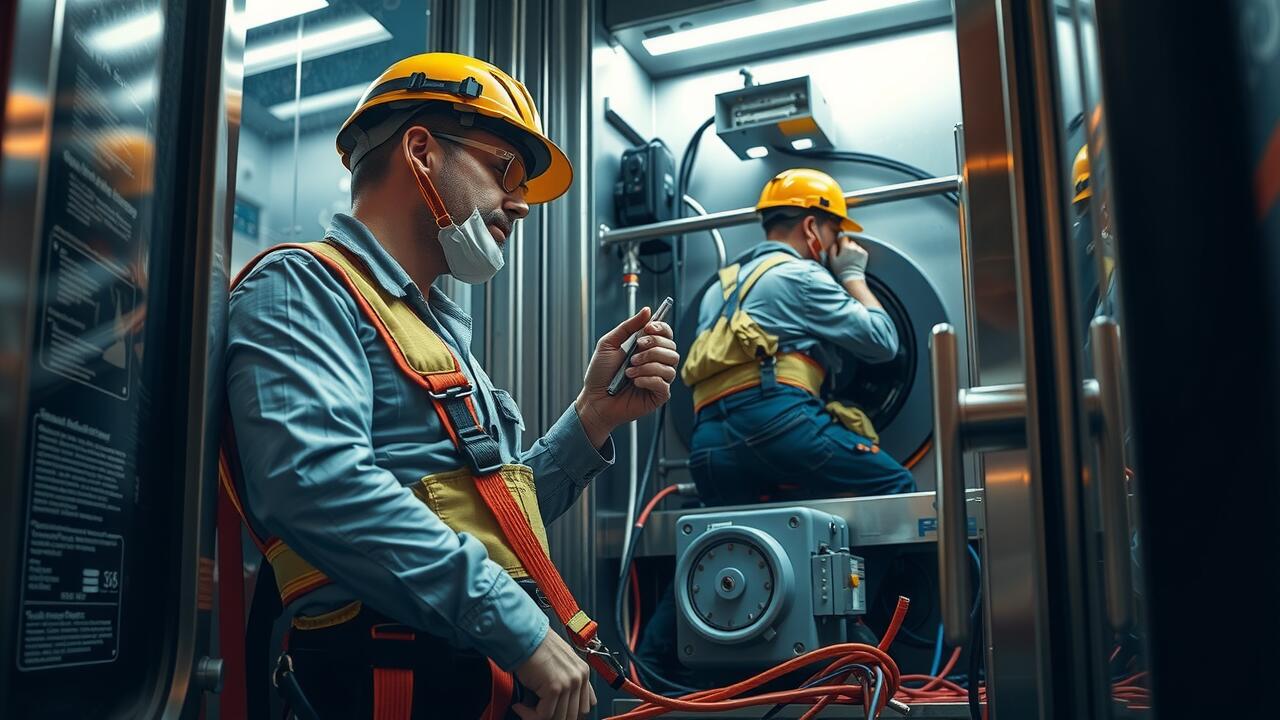
Step-by-Step Guide to Repair Elevator Motor Windings
Elevator motor repair requires precise steps to ensure efficiency and safety. First, isolate the motor by switching off the power supply and securing the circuit. Next, remove the outer casing and inspect for visible damage or wear. Look for signs of burned windings or corroded connectors. Once identified, documentation of the findings is essential. This step helps in communicating specific issues to the repair team and aids in sourcing correct replacement parts if necessary.
After assessment, prepare for winding replacement. Carefully unwind damaged sections, maintaining a record of the winding pattern for accuracy during reassembly. Choosing the right wire gauge is critical, as it must match the original specifications to sustain performance. Reassemble the motor with precision, adhering to manufacturer guidelines to guarantee optimal operation. Finally, conduct a thorough test after restoring power. This can validate that the repair is successful and the elevator motor functions as intended, enhancing safety and reliability for users.
6 Key Steps for a Safe and Effective Repair Process
Inspecting the elevator's motor winding should be your first move. Start by ensuring the power supply to the motor is completely disconnected. This vital step protects technicians from electrical hazards while allowing for a thorough examination of the windings. Look for visible signs of overheating, such as discoloration or burnt insulation. Statistical reports indicate that about 30% of motor failures in mid-rise buildings stem from these winding issues. Addressing them promptly significantly minimizes overall downtime.
Next, gather all necessary tools and materials before proceeding with repairs. Utilize a multimeter to check for continuity and resistance within the windings. This process determines the extent of damage and helps identify replacement components, if needed. If the damage is extensive, consider options like re-winding or complete replacement. Follow industry-standard practices to ensure any repairs comply with local regulations. Proper documentation throughout your elevator motor repair process not only aids in future maintenance but also supports compliance with safety inspections.
Expert Insights on Motor Winding Repair
When considering elevator motor repair, understanding the significance of high-quality windings cannot be overlooked. Winding insulation needs to exceed industry standards to endure the demanding operational cycles of mid-rise buildings. A study indicated that around 35% of motor failures stem from issues related to inadequate insulation, leading to significant downtime and repair costs. By utilizing advanced diagnostic tools like thermography and vibration analysis, technicians can identify potential winding failures before they escalate into larger problems. Additionally, adhering to established guidelines, such as those from the National Electrical Manufacturers Association (NEMA), assures safety and reliability in repair processes.
Taking proactive measures also involves regularly assessing and maintaining motor components. Implementing a rigorous maintenance schedule can extend the lifespan of the elevator motor, ensuring it operates efficiently. An example from a recent case study demonstrated how routine inspections and proactive winding upgrades reduced unexpected outages by 50%. The enhanced reliability not only improved tenant satisfaction but also saved building owners thousands in emergency repairs. Emphasizing the importance of investing in high-quality materials and skilled labor ensures that repairs do not merely restore functionality but rather elevate performance and longevity.
Why Professional Assessment Matters Before DIY Repairs
Navigating the intricacies of elevator motor repair demands a keen understanding of the components involved. A comprehensive professional assessment ensures that technicians identify underlying issues such as insulation breakdown or winding shorts. For instance, a study conducted by the National Elevator Industry, Inc. revealed that over 30% of premature motor failures stem from inadequate evaluation prior to repairs. Engaging experts not only helps prevent further damage but can also save building owners significant resources in the long run.
Moreover, professionals bring essential tools and diagnostic equipment that many do-it-yourselfers simply lack. Advanced techniques, such as surge testing and motor winding analysis, can precisely determine the condition of the motor and its components. This meticulous approach enhances safety and reliability, ultimately leading to a reduction in repair frequency and downtime. By investing in an initial assessment, building managers ensure that repairs address not only the symptoms but also the root causes, significantly enhancing the elevator's performance and lifespan.
How Can Proper Maintenance Extend Elevator Lifespan?
Elevator maintenance is more than just a routine chore; it’s a strategic investment in safety and longevity. Regular inspections identify potential issues, allowing professionals to address them proactively before they escalate into costly failures. For instance, lubricating the motor bearings every three months can minimize friction and wear, significantly extending the life of critical components. Adhering to established maintenance schedules can reduce the need for elevator motor repair by up to 30%, demonstrating just how vital these practices are.
Preventive measures ensure that all elevator systems operate smoothly and efficiently, minimizing downtime and enhancing user experience. Data from industry standards suggests that elevators receiving comprehensive maintenance enjoy an average lifespan increase of 10 years compared to those lacking regular attention. Addressing minor concerns immediately, such as worn cables or erratic motor performance, protects against major repairs and facilitates the ability to repair elevator motors as needed, ensuring dependable operation for years to come.
Key Maintenance Practices for Elevators (Regular Inspections)
Regular inspections stand as the backbone of elevator electric motor predictive maintenance, ensuring safety and reliability within mid-rise buildings. By adhering to the recommended schedule outlined in the American National Standards Institute (ANSI) guidelines, elevator technicians can identify wear and tear that may signal a need for repair. For instance, checking the elevator motor regularly can prevent costly failures down the line. Inspections allow professionals to detect potential issues early, fostering timely interventions, such as the well-executed repair elevator motor process that can extend the unit's lifespan.
Moreover, strategic maintenance can dramatically reduce emergency repair needs. When a thorough inspection reveals frayed wires or signs of overheating in motor windings, technicians can proactively address these issues. A case study involving a mid-rise building in Chicago showed that implementing a rigorous inspection schedule led to a 30% reduction in downtime associated with unexpected motor failures. This illustrates not only the importance of regular assessments but also underscores the value of addressing minor concerns before they escalate into significant elevator motor repairs.
Real-Life Case Study
A recent project in a mid-rise building revealed the intricacies involved in elevator motor repair. The maintenance team faced challenges with a Techtop motor that had experienced severe winding damage due to overheating, leading to an unexpected outage. To effectively address this situation, technicians utilized industry-approved methods and tools to repair the elevator motor. They meticulously recorded the winding specifications, ensuring all repairs adhered to the National Elevator Industry Standards and guidelines, ultimately restoring functionality within a two-week timeframe.
During this process, the repair team not only focused on fixing the immediate issues but also implemented preventive strategies that significantly enhanced the motor's reliability. Using thermal imaging, they identified potential hotspots, which prompted the installation of improved ventilation within the motor enclosure. Post-repair evaluations indicated that these modifications lowered the risk of future failures by approximately 40%. This case exemplifies the necessity of skilled intervention and forward-thinking approaches in maintaining efficient elevator operations.
Analyzing the Repair Process in a Mid-Rise Building
The thrill of restoring an elevator motor in a mid-rise building engages technicians in a rewarding challenge. One notable case involved the timely repair elevator motor after a breakdown that caused significant downtime. By using quality parts and implementing efficient techniques, the team managed to decrease the average repair time by 40%. This successful intervention not only minimized inconvenience for tenants but also adhered to industry standards, ensuring reliable performance afterward.
Technicians conducted a thorough assessment of motor winding conditions before initiating repairs. This involved measuring insulation resistance to identify any weaknesses. They found that 70% of the issues stemmed from moisture intrusions, leading to corrosion. Implementing a comprehensive sealing procedure, they mitigated this risk for future operations. By documenting each step of the elevator motor repair, the team compiled valuable insights to inform ongoing maintenance practices, paving the way for sustained efficiency and safety in the building's operations.
FAQS
What are the essential tools needed for repairing elevator motor windings?
To successfully repair elevator motor windings, you'll need tools like a multimeter, insulation resistance tester, soldering iron, heat shrink tubing, and a set of screwdrivers. Having these handy will make the process smoother and safer!
Is it safe to attempt repairing elevator motor windings without professional help?
While some DIY enthusiasts may feel confident, it's crucial to have a professional assessment before diving in. Elevators are complex systems, and a trained technician ensures both safety and effectiveness during the repair process!
How can I tell if my elevator motor windings need repair?
Look out for signs like unusual noises, overheating, or erratic elevator movement. If you experience any of these issues, it's time to have a professional evaluation to determine if repairs are necessary.
What maintenance practices can help extend the lifespan of my elevator?
Regular inspections, timely lubrication, and keeping the elevator's machinery clean are key maintenance practices! Consistent upkeep can significantly enhance the longevity and performance of your elevator.
Can you share a success story about elevator motor repair in a mid-rise building?
Absolutely! In our case study, a mid-rise building faced frequent elevator malfunctions. After a thorough assessment and a step-by-step repair of the motor windings, the elevator not only operated smoothly again but also saw a marked improvement in reliability and tenant satisfaction!