Drawing Insights from Proportional Valve Driver Innovations
Understanding Proportional Valve Drivers and Their Applications
The Role of Proportional Control in Hydraulic Systems
Proportional valve drivers play a crucial role in hydraulic systems by regulating fluid flow in response to varying input signals. This proportional control ensures that the performance of hydraulic systems remains optimal, allowing for precise movement and operation of machinery. By adjusting the valve position based on the input signal, proportional control enables smoother transitions, reduced wear, and improved responsiveness. Industries ranging from manufacturing to agriculture benefit from this technology, as it enhances efficiency and productivity. The ability to finely tune hydraulic systems with proportional valve electronics ultimately leads to better performance in applications where precision is paramount.
Key Components: Coils, Solenoids, and Amplifiers
Proportional valve drivers consist of several key components that work together to achieve precise control. Coils generate a magnetic field when an electric current passes through them, allowing the solenoid to move the valve. The solenoid, a type of electromagnetic actuator, converts electrical energy into mechanical motion, effectively opening or closing the valve according to the input signal. Amplifiers are essential in this process, as they boost the input signals to control the valve more efficiently. Each component plays a vital role in ensuring that the proportional valve driver operates effectively, making it a critical component in hydraulic systems. Understanding these components is essential for anyone looking to optimize their hydraulic applications.
Exploring the Interface: Digital Displays and USB Connections
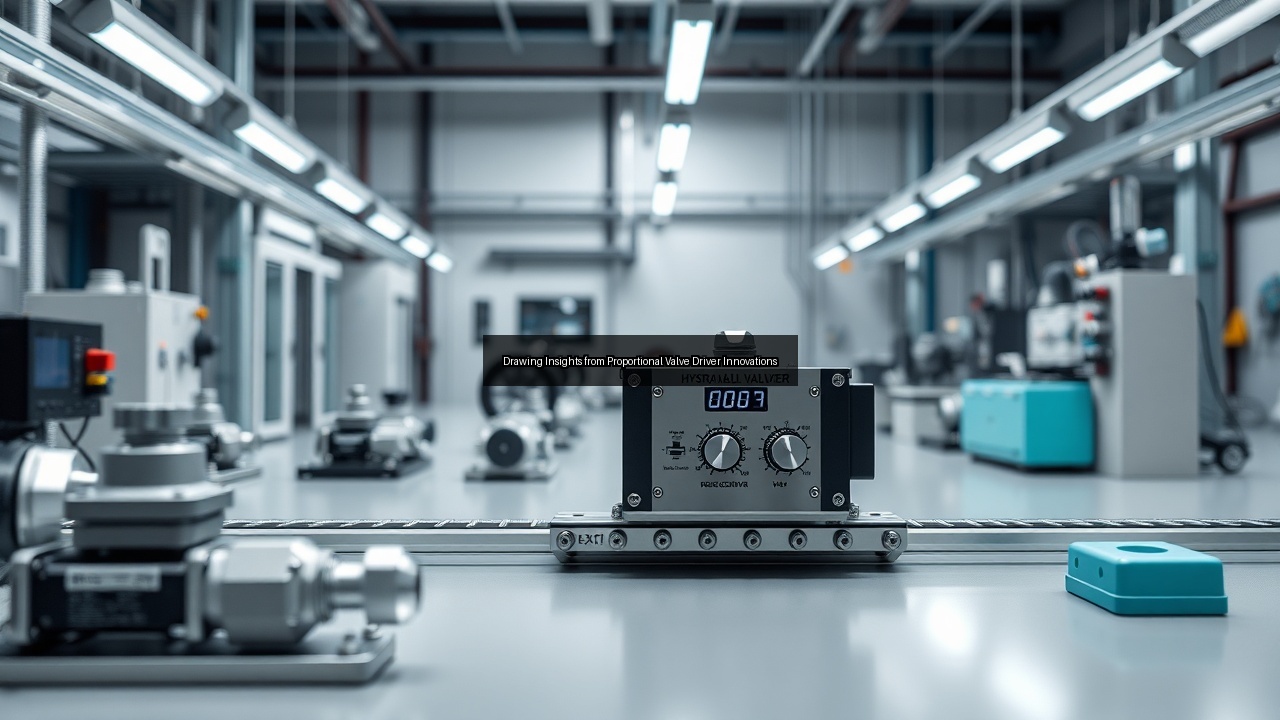
The interface of a proportional valve driver significantly affects usability and functionality. Modern drivers often feature digital displays that provide real-time feedback on operational parameters, enhancing user interaction. This visibility allows operators to monitor the system’s performance and make adjustments as needed. Additionally, USB connections have become a standard feature, enabling easy integration proportional control valve driver with computers and other devices for configuration and data logging. These interfaces facilitate a higher level of control and monitoring, making it easier for engineers and technicians to optimize valve performance and troubleshoot issues. The seamless integration of these technologies demonstrates the evolution of proportional valve drivers in meeting the demands of contemporary hydraulic systems.
Innovative Technologies in Proportional Valve Drivers
Near Field Communication (NFC) in Valve Control
Near Field Communication (NFC) technology has emerged as a game-changer in the realm of proportional valve drivers. This innovative technology enables wireless communication between devices, allowing for quick and easy configuration of valves without the need for direct physical connections. By utilizing NFC, technicians can remotely adjust settings, monitor performance, and even diagnose issues. This method significantly reduces the time and effort required for maintenance and system upgrades. As industries increasingly adopt smart technologies, the integration of NFC in valve control systems represents a significant advancement, enhancing operational efficiency and flexibility in hydraulic applications.
The Impact of SAE J1939 on Communication Standards
The SAE J1939 standard revolutionizes communication protocols in the realm of proportional valve electronics. This standard, primarily used in heavy-duty vehicles and equipment, facilitates the exchange of information between various components in a hydraulic system. By adopting SAE J1939, manufacturers ensure compatibility and interoperability among different devices, improving system reliability and performance. The standard allows for robust data transmission, enabling real-time monitoring and control of proportional valve drivers. As industries continue to push for greater efficiency and automation, adherence to standards like SAE J1939 becomes increasingly vital for maintaining competitive advantages.
Advancements in PCB Design for Efficiency
Printed Circuit Board (PCB) design plays a pivotal role in the efficiency of proportional valve drivers. Recent advancements focus on optimizing layouts to reduce energy loss and enhance thermal management. These improvements lead to more compact designs, allowing for the integration of multiple functionalities within a single unit. Innovations such as multi-layer PCBs facilitate complex circuits while maintaining a small footprint, essential for modern hydraulic systems. Enhanced PCB designs not only improve the reliability of the drivers but also contribute proportional control valve driver to cost savings by increasing overall system efficiency. As technology progresses, the evolution of PCB design will continue to shape the landscape of proportional valve electronics.
Market Trends and Leading Manufacturers in North America
Axiomatic vs. Atos: A Comparative Analysis
Axiomatic and Atos stand out as leading manufacturers of proportional valve drivers in North America, each offering unique strengths. Axiomatic focuses on providing customizable solutions, catering to a wide range of applications in various industries. Their products often include advanced features such as integrated digital displays and USB interfaces, making them user-friendly and efficient. On the other hand, Atos emphasizes reliability and performance, with a strong reputation for durability in demanding environments. By comparing these two manufacturers, customers can assess their specific needs and choose the driver that best fits their operational requirements, ensuring optimal performance and efficiency in their hydraulic systems.
Emerging Trends in Proportional Valve Electronics
The landscape of proportional valve electronics is rapidly evolving, with several trends shaping the future of this technology. Increased automation and the push for smart hydraulic systems are driving the demand for more sophisticated proportional valve drivers. Additionally, the integration of Internet of Things (IoT) capabilities allows for remote monitoring and diagnostics, enabling predictive maintenance and enhancing system reliability. The focus on energy efficiency also remains paramount, with manufacturers aiming to produce drivers that consume less power while delivering superior performance. These trends indicate a significant shift towards smarter, more efficient hydraulic systems that meet the demands of modern industry.
The Rise of Pulsar Technologies in the Industry
Pulsar Technologies has gained significant traction in the proportional valve driver market, known for its innovative solutions and commitment to quality. Their products incorporate cutting-edge technology, including advanced control algorithms and real-time data processing capabilities. This focus on innovation enables Pulsar to provide highly responsive drivers that meet the precise demands of various applications. Additionally, their emphasis on customer support and tailored solutions has helped them establish a loyal customer base in North America. As the industry evolves, Pulsar Technologies is well-positioned to lead in the development of next-generation proportional valve electronics, contributing to the ongoing advancement of hydraulic systems.
Frequently Asked Questions About Proportional Valve Drivers
How Do H-Bridges Enhance Performance?
H-Bridges are essential components in the operation of proportional valve drivers, allowing for bidirectional control of the solenoid. By enabling current to flow in both directions, H-Bridges facilitate precise control over the valve's movement, enhancing responsiveness and accuracy. This capability is particularly beneficial in applications requiring rapid changes in direction or speed. With an H-Bridge, engineers can optimize the performance of hydraulic systems, ensuring that they operate smoothly and efficiently. The integration of H-Bridges in proportional valve electronics represents a significant advancement, providing greater flexibility and control in valve operations.
Understanding Voltage Requirements for Optimal Operation
Voltage requirements play a critical role in the optimal operation of proportional valve drivers. Each driver has specific voltage ratings necessary for efficient performance, affecting the solenoid's operation and overall system functionality. Operating outside these voltage parameters can lead to suboptimal performance or even damage to the components. It is essential for users to understand the voltage specifications to ensure that their systems operate within the recommended range. Adhering to these requirements not only enhances performance but also prolongs the lifespan of the proportional valve driver and associated components.
The Benefits of Using Potentiometers for Fine Control
Potentiometers provide significant advantages in the fine control of proportional valve drivers. These analog devices allow for precise adjustments to the input signal, enabling operators to fine-tune the valve response according to specific operational needs. By using potentiometers, engineers can achieve enhanced accuracy and smoother transitions in hydraulic systems. This level of control is particularly beneficial in applications where precision is critical, such as in robotics or aerospace. The incorporation of potentiometers into proportional valve electronics marks a vital development, empowering users with the ability to achieve exceptional performance in their hydraulic applications.